How you can contact SUM1
You can reach Jodi at SUM1 by email at the address jodi@sum1.orgYou can also contact her by telephone at 801-971-5015
The current address for mailed correspondence is:
Sum1 – Attn: Jodi Bingham
333 North 300 West
Salt Lake City, UT 84103
U.S.A
Some of the people behind SUM1

Jodi Bingham—President
Jodi began working with Dr. Mohammad and MDEC in August, 2003. In 2011 she was asked to join his philanthropic project where she learned about the sanitation issues that are plaguing developing countries like India. In 2012, she and the others founded SUM1 to carry the work forward. Jodi is just SUM1 that wants to help. Read more about her story on the blog. jodi@sum1.org
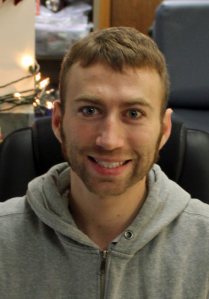
David Keifert—Chairman of the Board
David possesses Bachelor’s degrees in both International studies and Japanese with a minor in Asian studies from the University of Utah. He has experienced traveling and backpacking in developing countries like Cambodia, Laos, Vietnam and Peru and has gone into several foreign schools to help educate and to better understand foreign educational systems. He was able to audit a Japanese junior high school as a foreign student during a semester abroad and assisted in an after school education program for students K through 12 in Nagano, Japan. He was also able to volunteer for basic English teaching with underprivileged children in Thailand. David enjoys sightseeing, foreign activities and foreign food. davidkeifert@rawthink.com
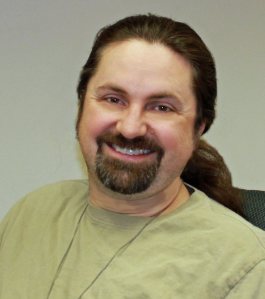
Christopher Brock—VP of Communications
Christopher joined Dr. Mohammad's company in 2007 and brought his technical expertise to the team. He watched the presentations about the work in Saraiya whenever "Dr. M" returned from his trips, but never really thought about getting involved until 2011 when Jodi started working toward establishing +1ndia and founding SUM1. He has since moved on from the original employ of the company but continues to devote his time to helping SUM1 flourish.
Christopher feels very strongly that superstition and archaic thinking is simply getting in the way of verifiable scientific information that could save millions of lives. He is firm in his beliefs that these cobwebs can be cleared away in India and the rest of the world and that the human experience of these people can be vastly improved. christopher.brock@outlook.com
The history of SUM1 and Saraiya
All this began as a philanthropic effort which Dr. Fazal Mohammad in Salt Lake City, Utah conceptualized many years ago and made real strides towards in the last 10 years. The idea began as a simple vocational education center for the people in the area outside of Basti, centered on the village of Saraiya(map)
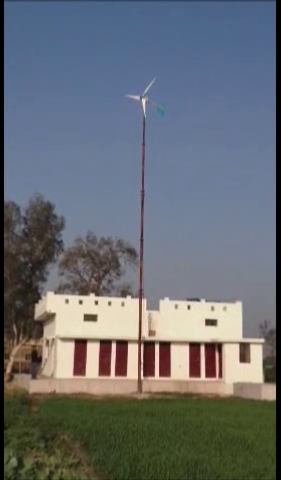
All this work was done out of pocket over many years by Dr. Mohammad with contributions by friends and colleagues. He had visited his family in this village often as a child growing up and it left a lasting impression on his young mind. His experiences there are ultimately what put him on his path toward medicine. In the journey to make this dream a reality, it became clear that other steps and needs had to be met first. So he started by planning to build a few public toilets; but these needed to have clean water and electricity, so first a wind turbine was built. The toilets quickly evolved into a community center for the village.
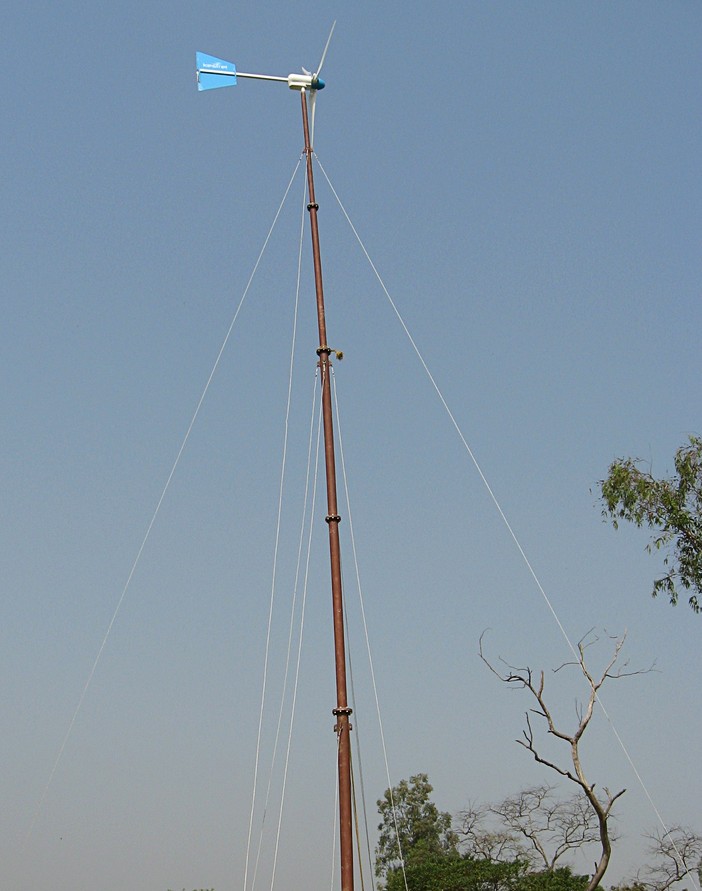
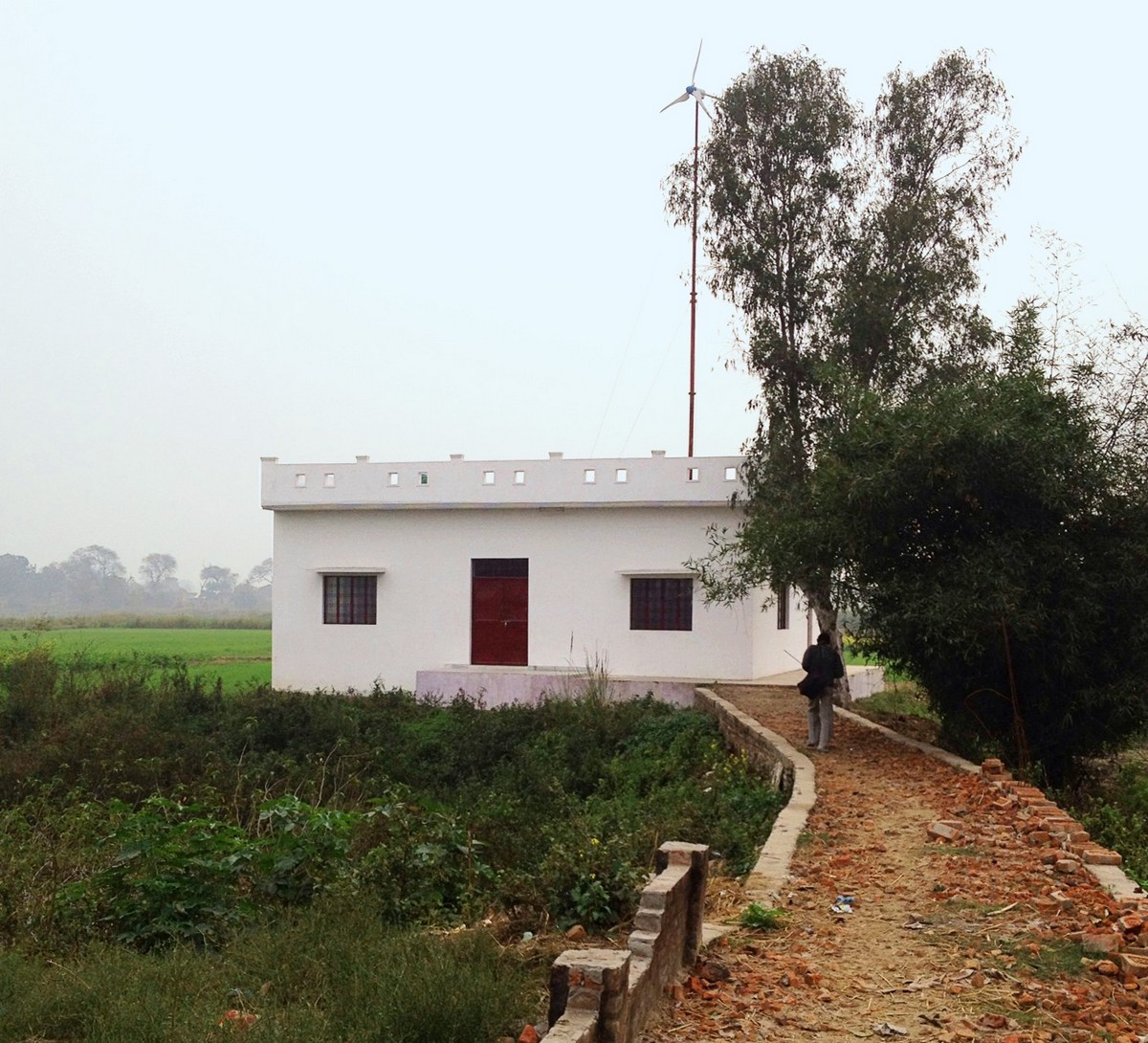
Construction was started in 2009 by first erecting the windmill to generate electicity. This was done with the aid of James Kestrel, a South African engineer and owner of Kestrel Wind Turbines who sold the windmill at cost as his way of contributing.
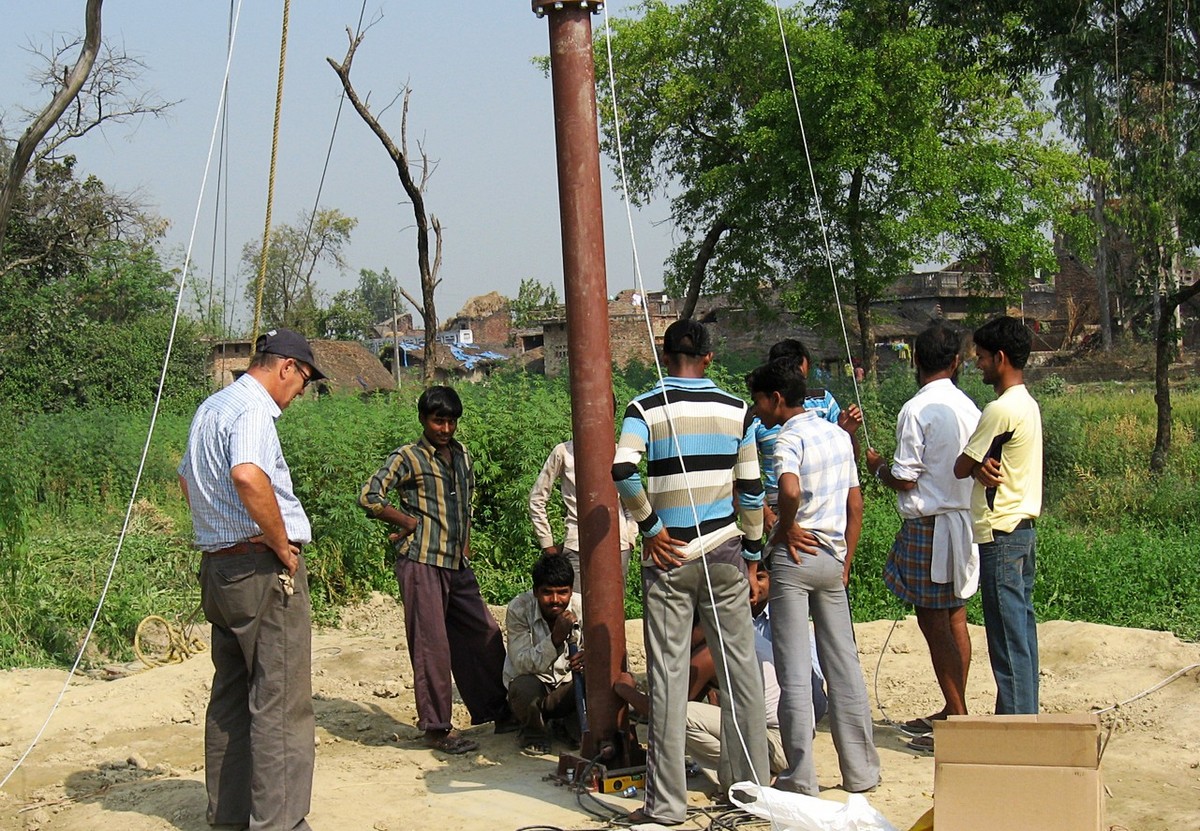

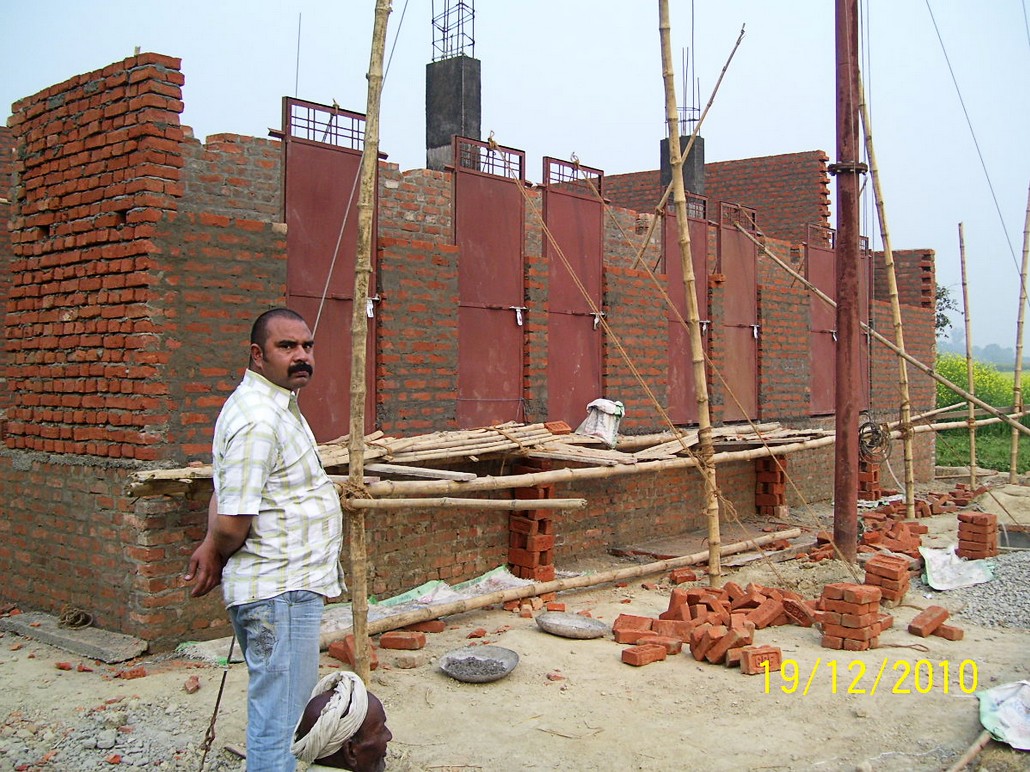
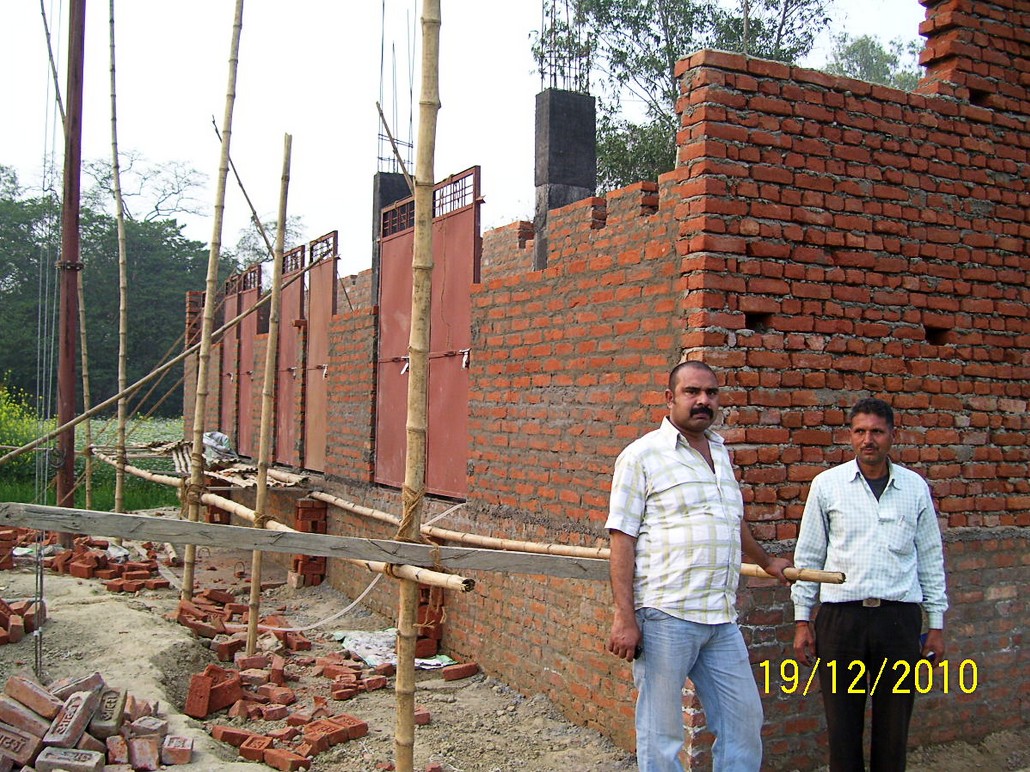
Then over 2010 and 2011 the community center was built, which housed the first public toilet facility in the village and converts human waste into fertilizer for use by the residents.
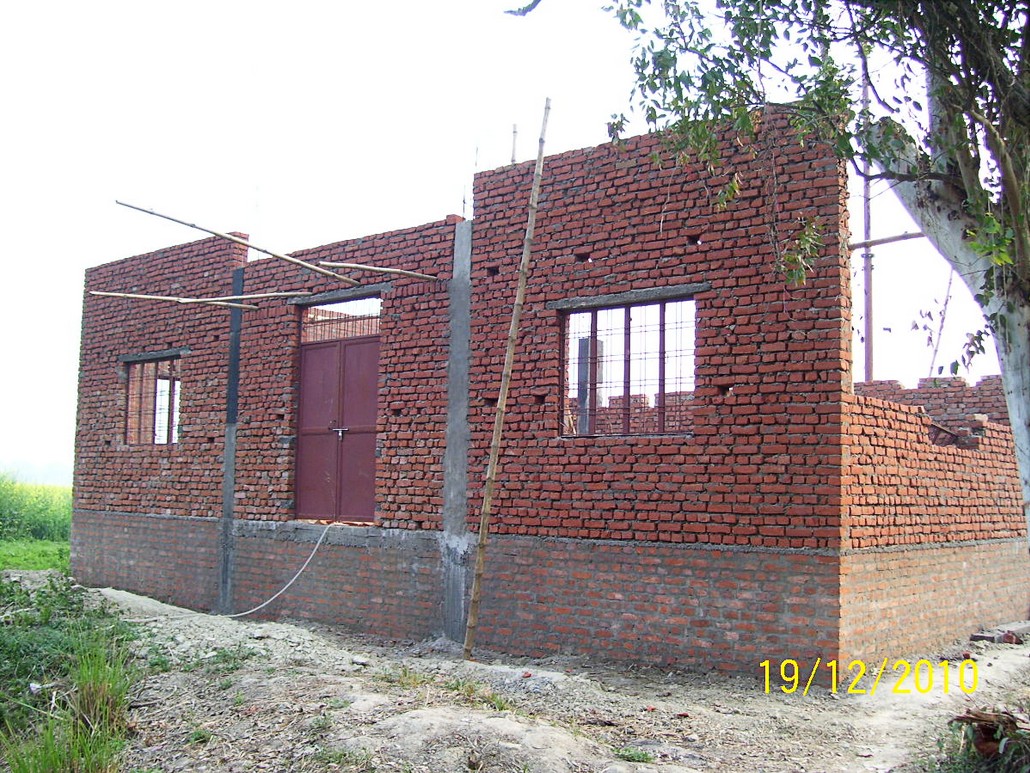
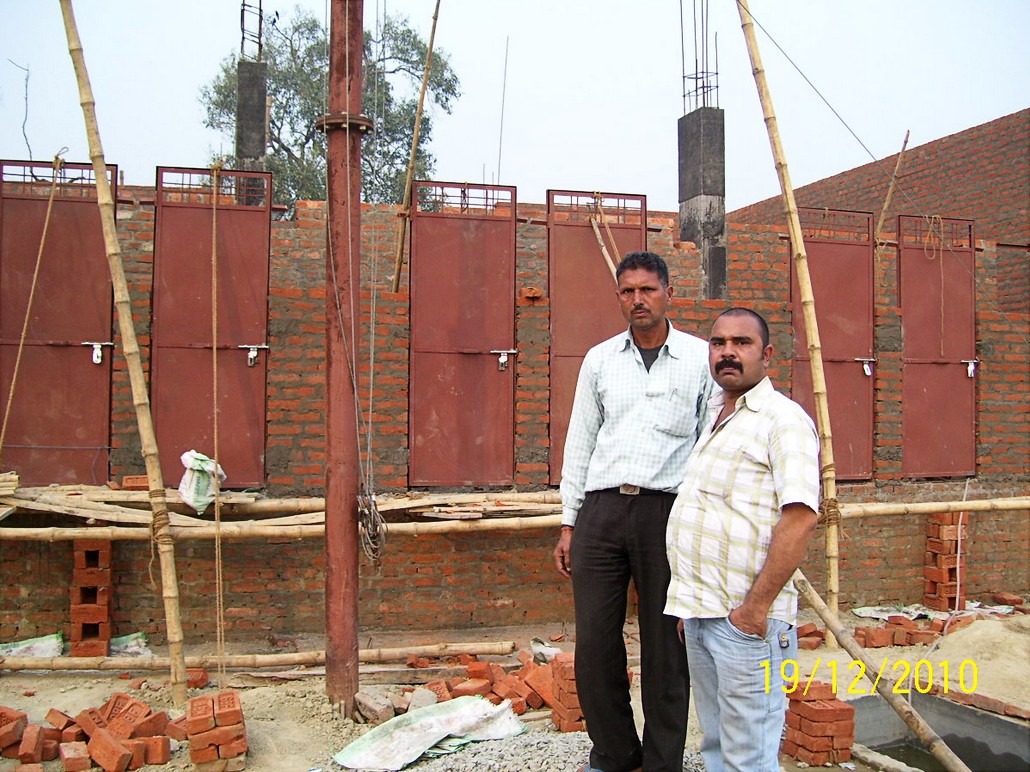
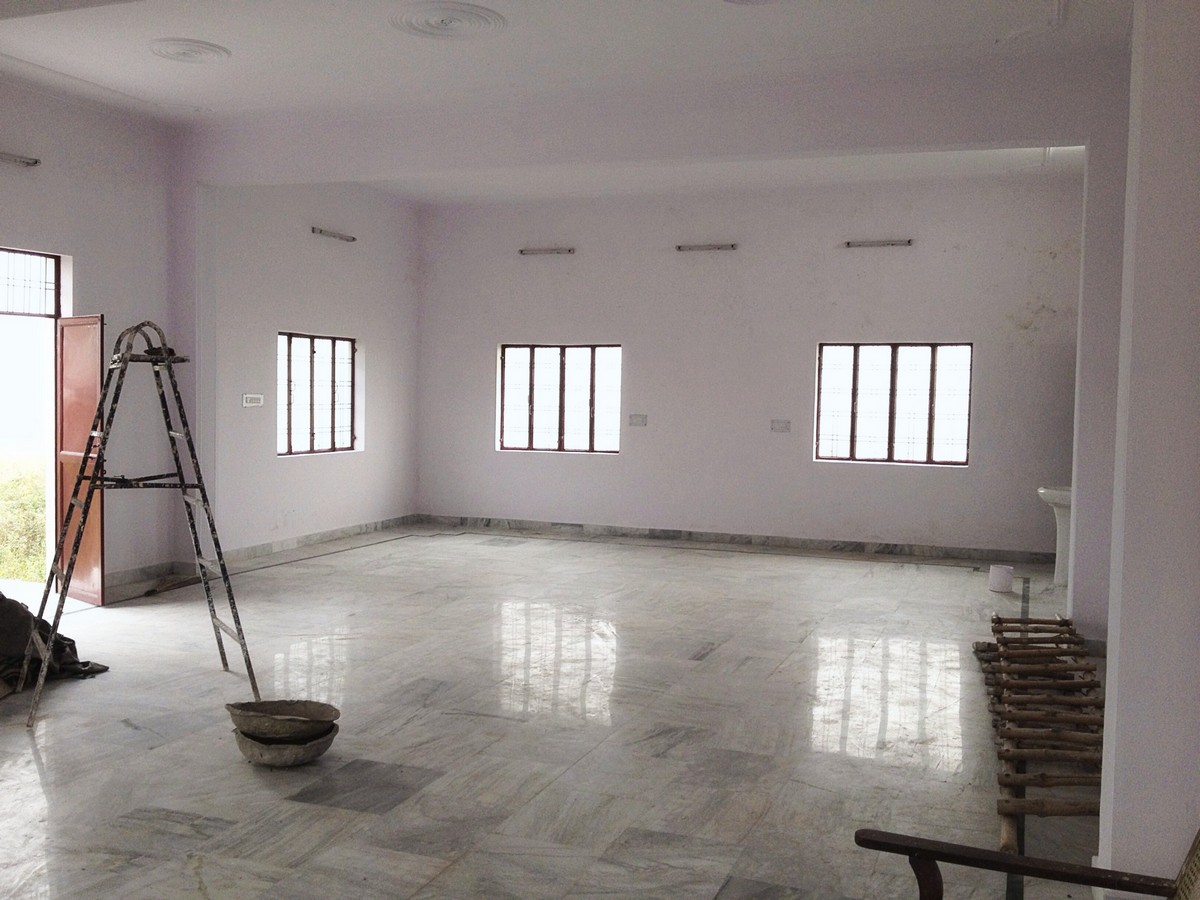
The Community Center was formally dedicated to the residents in February of 2012. It's already transformed this village in so many ways.
We would all learn of these contributions while working for Dr. Mohammad through meetings and slide shows after his annual trips to India. This gave us all a chance to share the work he had been doing and through personal conversations. It always sounded very fulfilling and the idea of becoming involved was one we all flirted with, but most of us never really expected that anything would ever really happen. At least not as soon as it has.
Alas as he grows older and familial duties are leaving him with less time, he asked some of us to help. The basic situation was that once he had the toilets built, he needed the help of Jodi to teach the people there how to safely wash their hands afterward. So he asked her to take her marketing experience and apply that to a social marketing campaign.
And why her, why now? Because she is a pretty white female with red hair and looks quite exotic and unusual by Indian standards. She has an outgoing and upbeat personality and, for lack of a better word, is a great prop to use to sell the message of hygiene to the women of the village. Getting the message across by whatever reasonable means are necessary was the idea.
But as we began organizing the trip and gathering both materials and funding, it quickly became obvious that the small, personal investment of time and money was going to be insufficient to make the impact we hoped for. And so +1ndia was born, something we hoped would gather it's own momentum and reach out to the village and beyond to the rest of India. The plight of the rural people so moved us. And it did gain speed quickly...
"But why stop with India?" they asked us. Rural people around the world have the same hurdles, the same illness from sanitation issues. "Why not think globally?" SUM1 became the new mission: we're starting small with this one village, but after that village is another, and another, and another. And when we've helped Uttar Pradesh and India, there are more places throughout the world that can use our help as well.