 |
Sanitation |
Donate  100% of your Donation funds Interventions |
|
|
Sanitation |
Donate 100% of your Donation funds Interventions |

SUM1 creates projects focused on specific countries or parts of the world that are effected by health, hygiene, and sanitation issues. We've started with India, which is where the problem really is probably the worst in the world.
Lack of sanitation leads to more illness and disease in India than any other cause. Two-thirds of the 1.24 billion people there have no ready access to clean sanitation and toilets. That's 818 million people, most living in the rural parts of the country. There are 355 million menstruating women in India and more than 80% of rural women use sub-standard alternatives to pads which severely impact their health.
According to last year's UNICEF annual report, in 2011 more deaths of children under the age of five occurred in India than anywhere else in the world: 1.7 million children—over 4,650 child deaths a day.(pdf, pg 9:FIG 8)
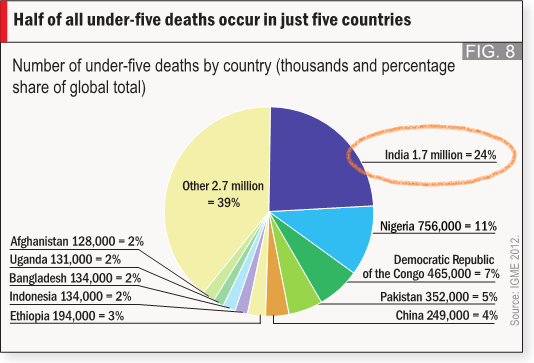
Those numbers are staggering when you pause to consider. India alone accounted for 24% of global under-five deaths in 2011—almost one-fourth of all infant deaths, in one single nation!—and the northern state of Uttar Pradesh (U-P) has the highest infant mortality rate in that country.(pdf, pg 8)
With the +1ndia project (pronounced: plus-India) we work to transform that country “1 person, 1 family, and 1 village at a time.”
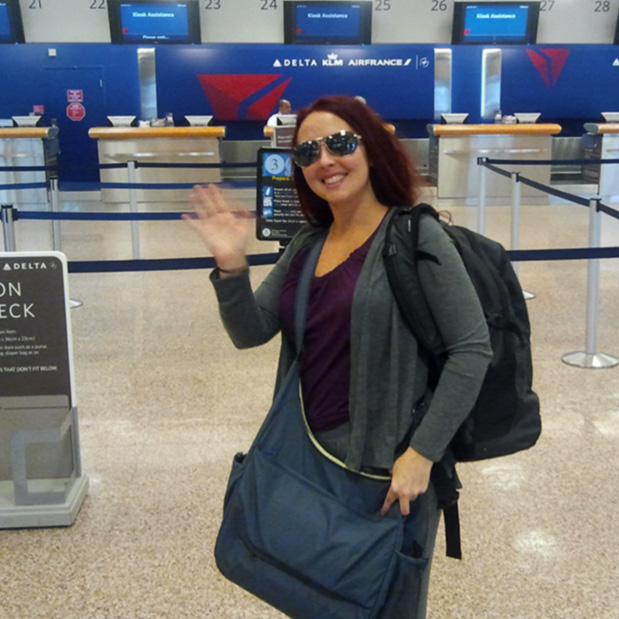
We have begun our work in the village of Saraiya(map) which is a few miles south of the town of Basti in U-P. In November 2012 we sent a HELP team (Health Education Literacy Program) to the village for two weeks. Our educators Jodi and David demonstrated to the villagers how they can improve their hygiene habits and improve their quality of life. They helped build several tippy-taps to give them hand-washing stations, and the villagers were excited that it was so easy to make more.
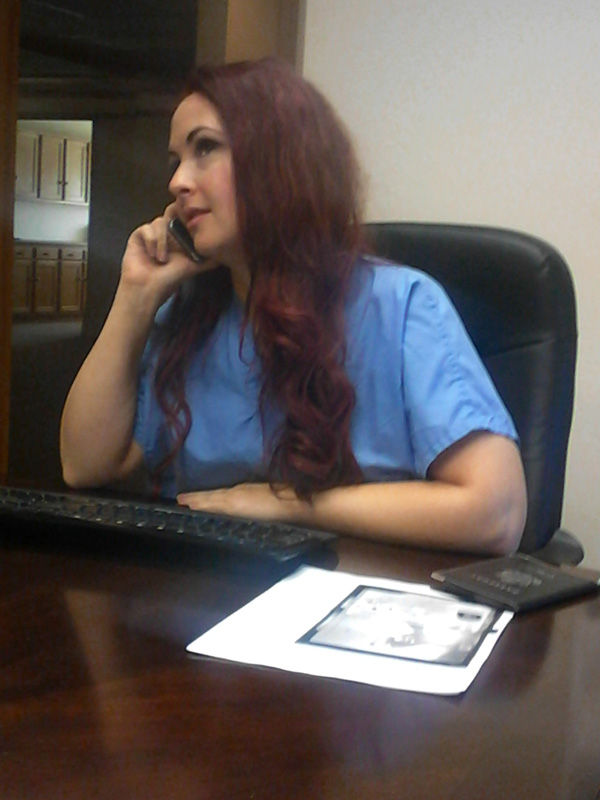
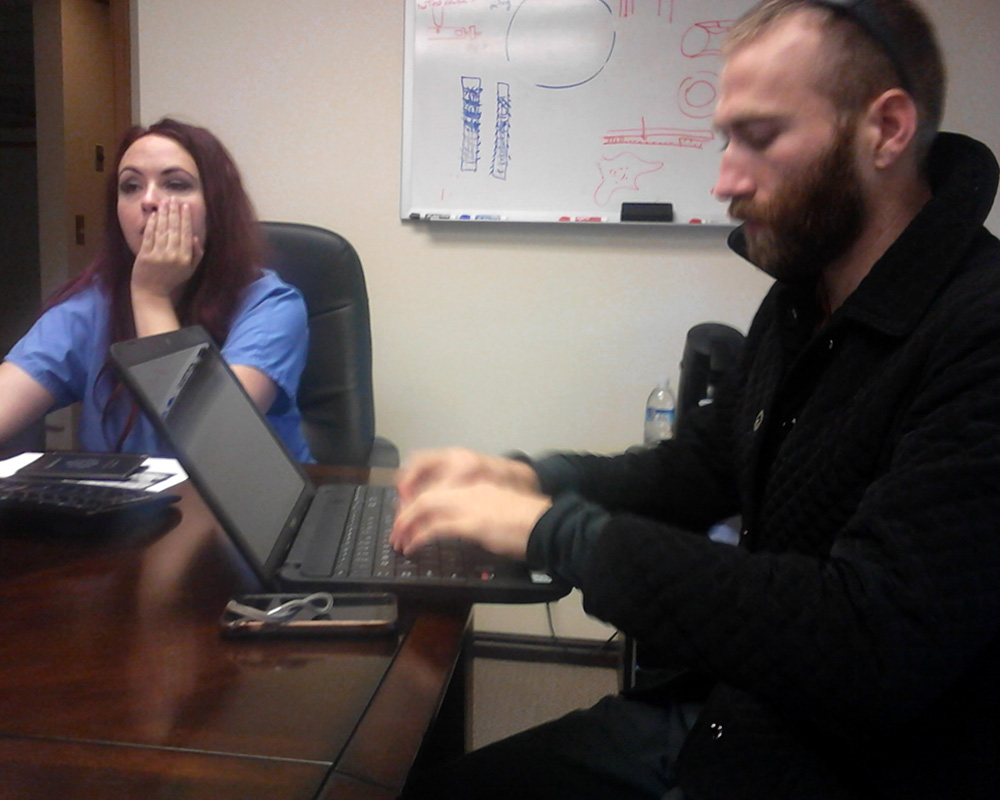

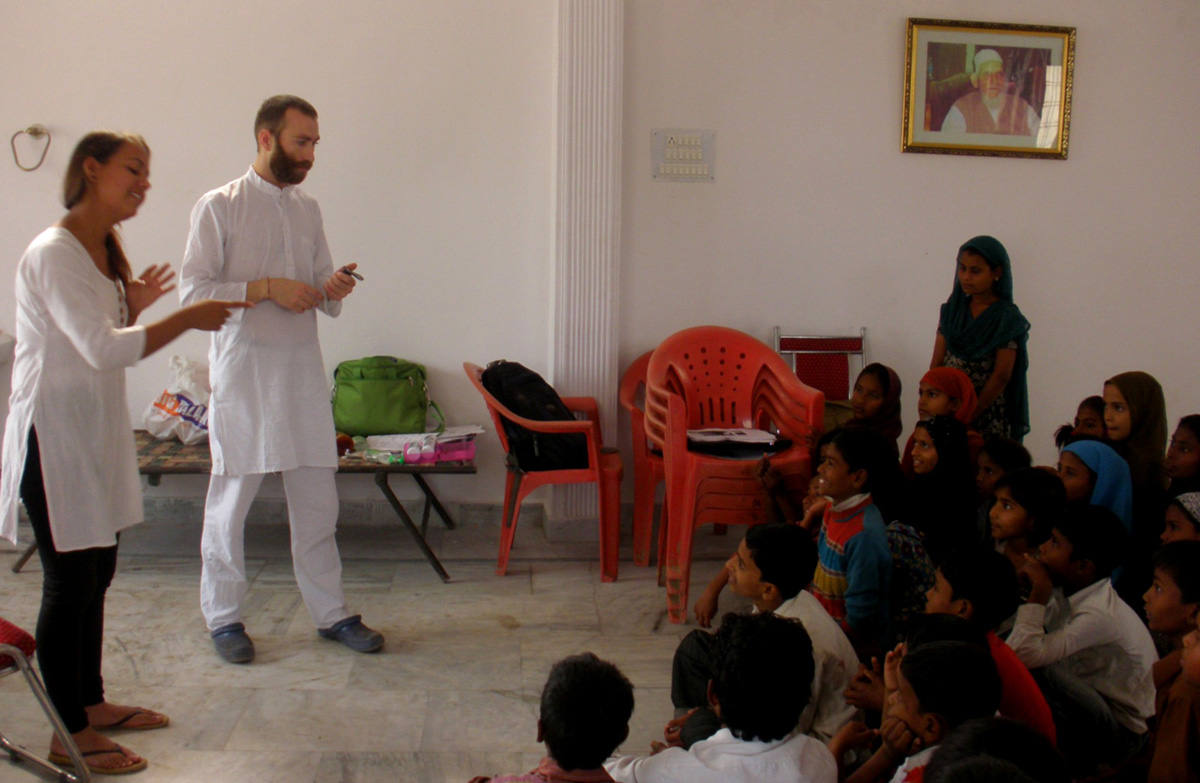
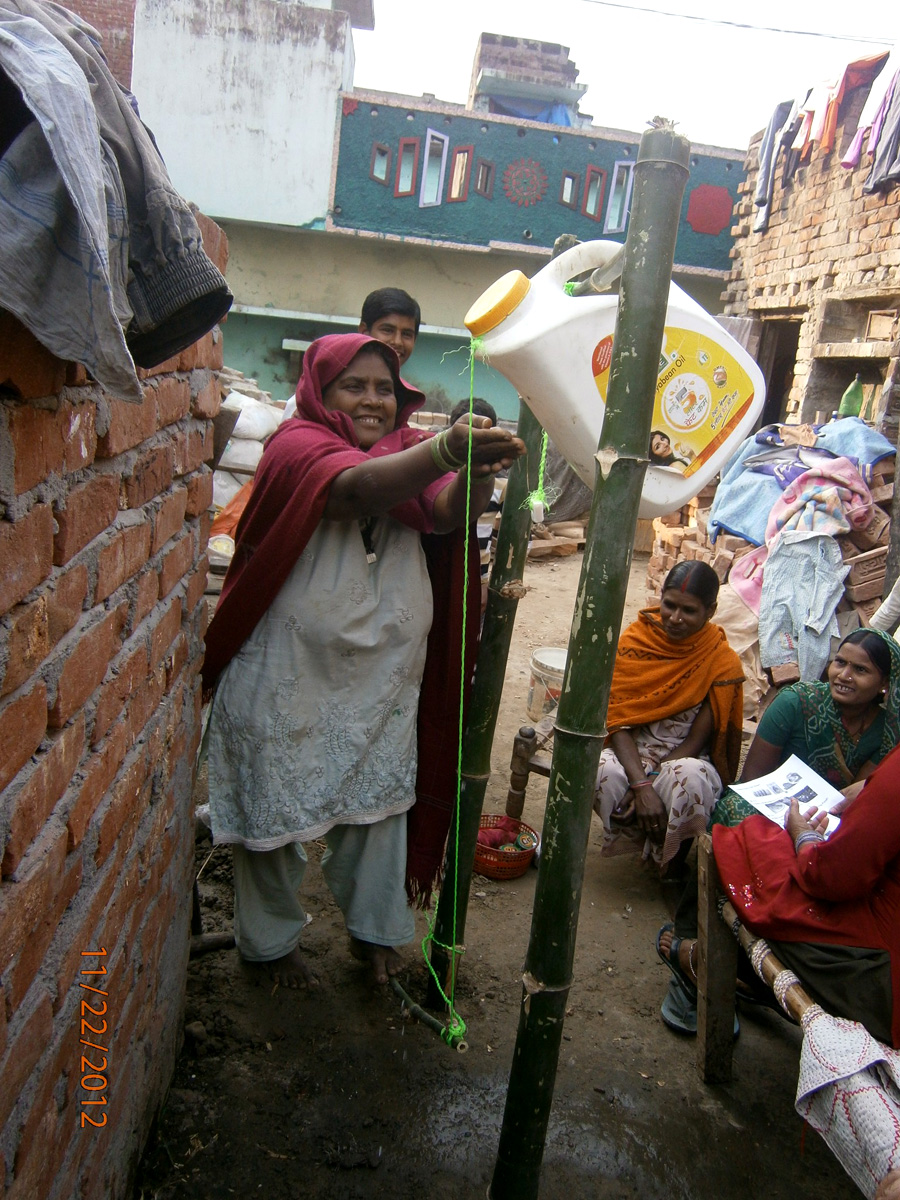
Eco Femme also presented for several days, addressing specific sanitary issues for the women, providing them with reusable sanitary supplies, and teaching them how to make their own. K.H.E.L. gave us immense assistance with translation services and have agreed to followup visits in a few months to collect information on improvement for both our HELP program and for Eco Femme.

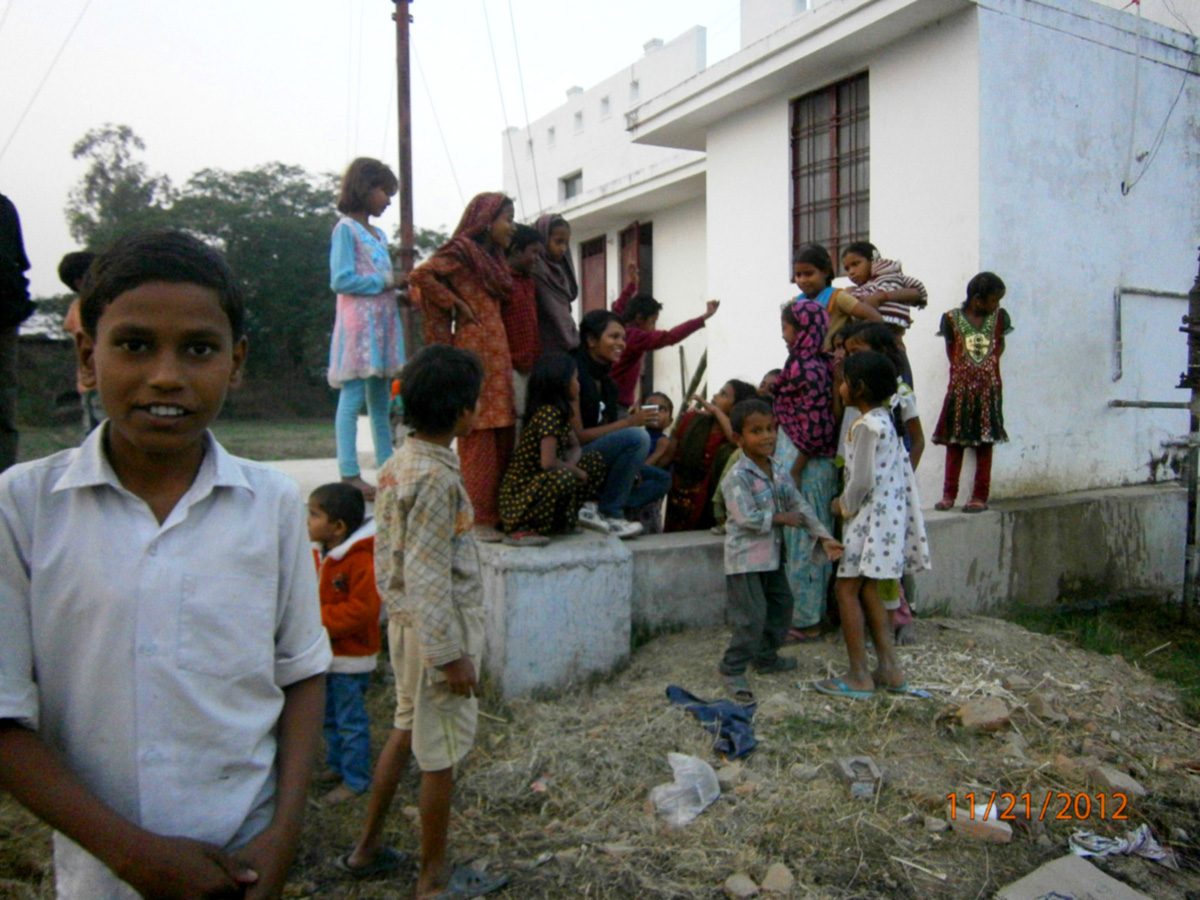
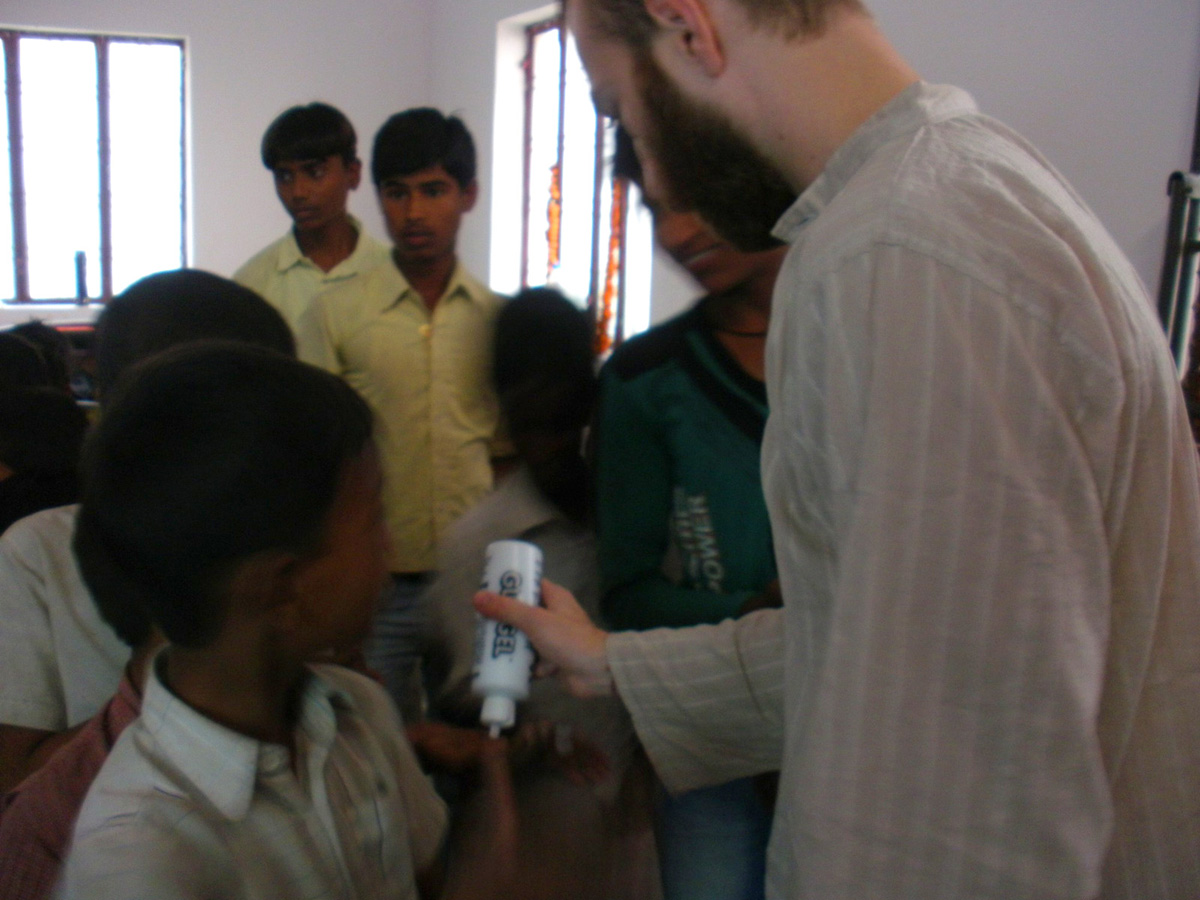
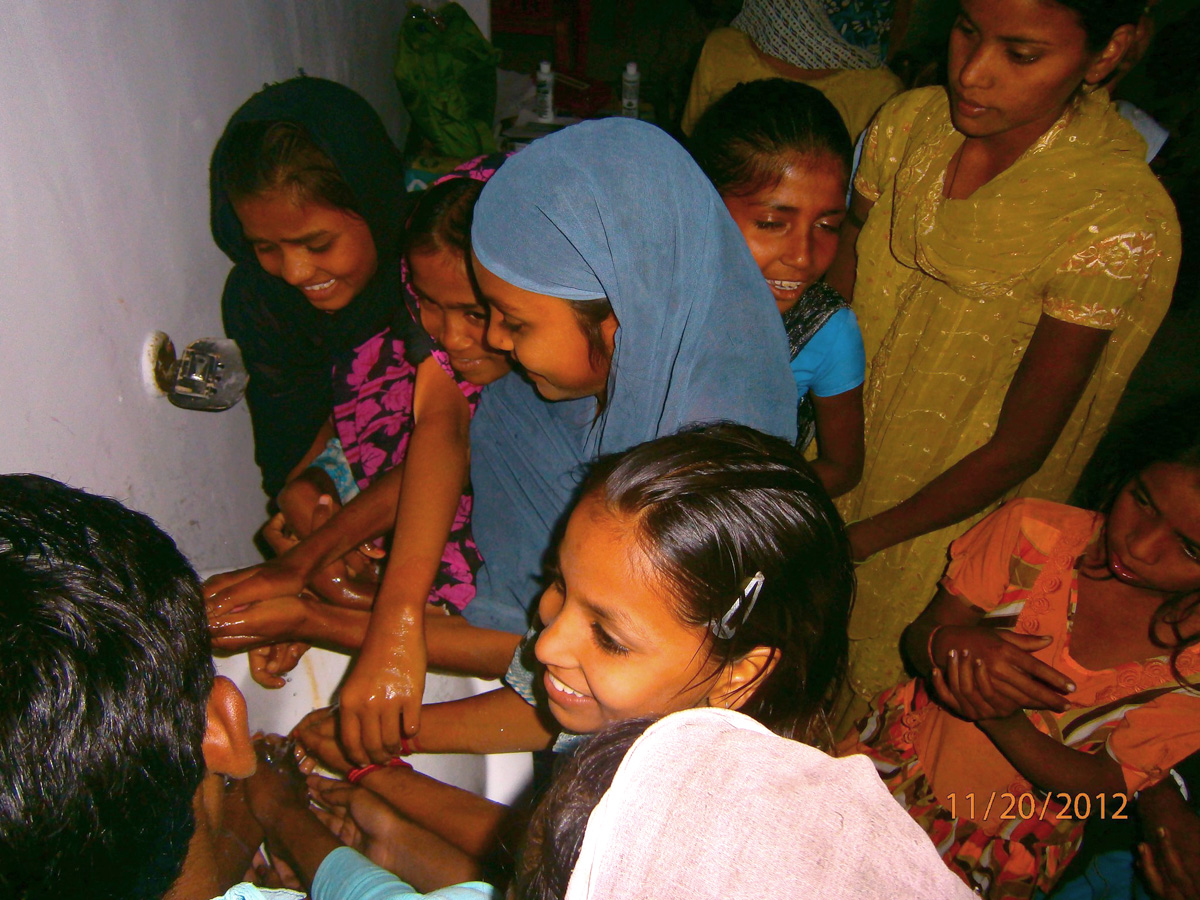
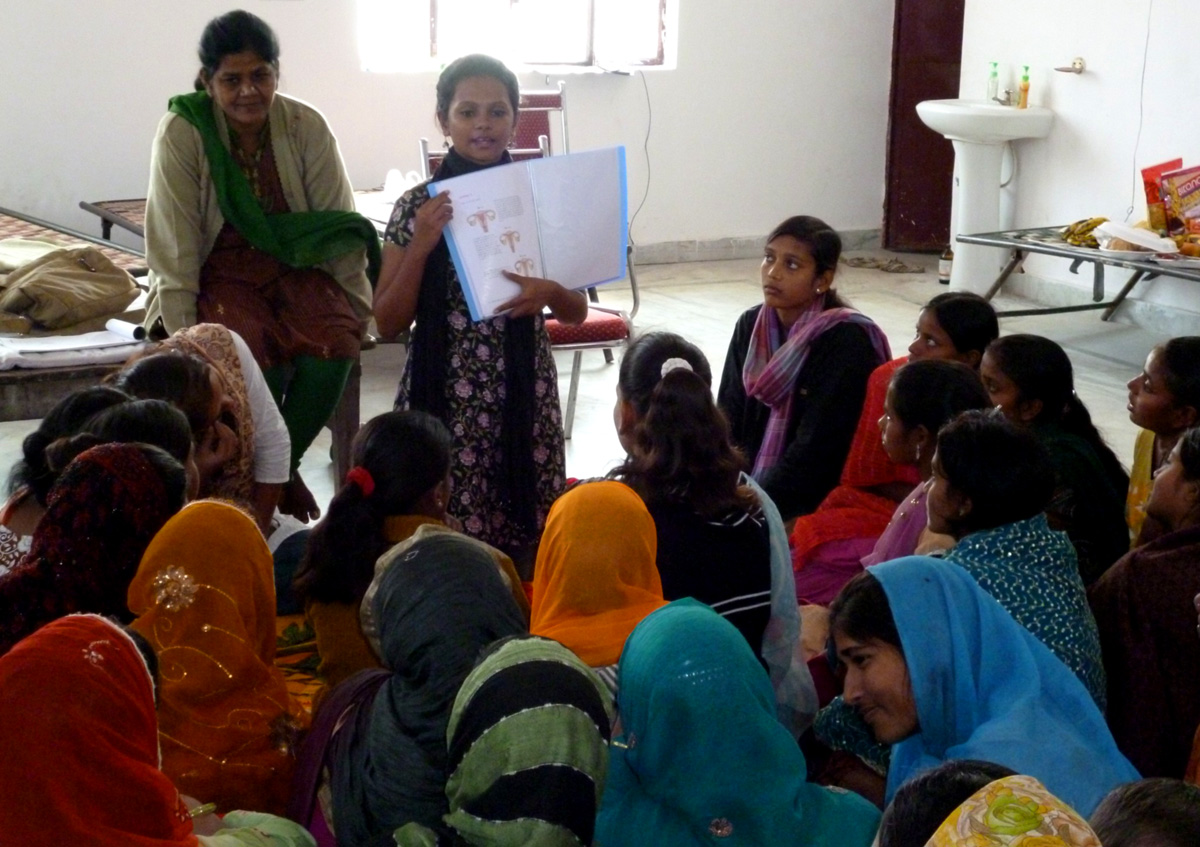
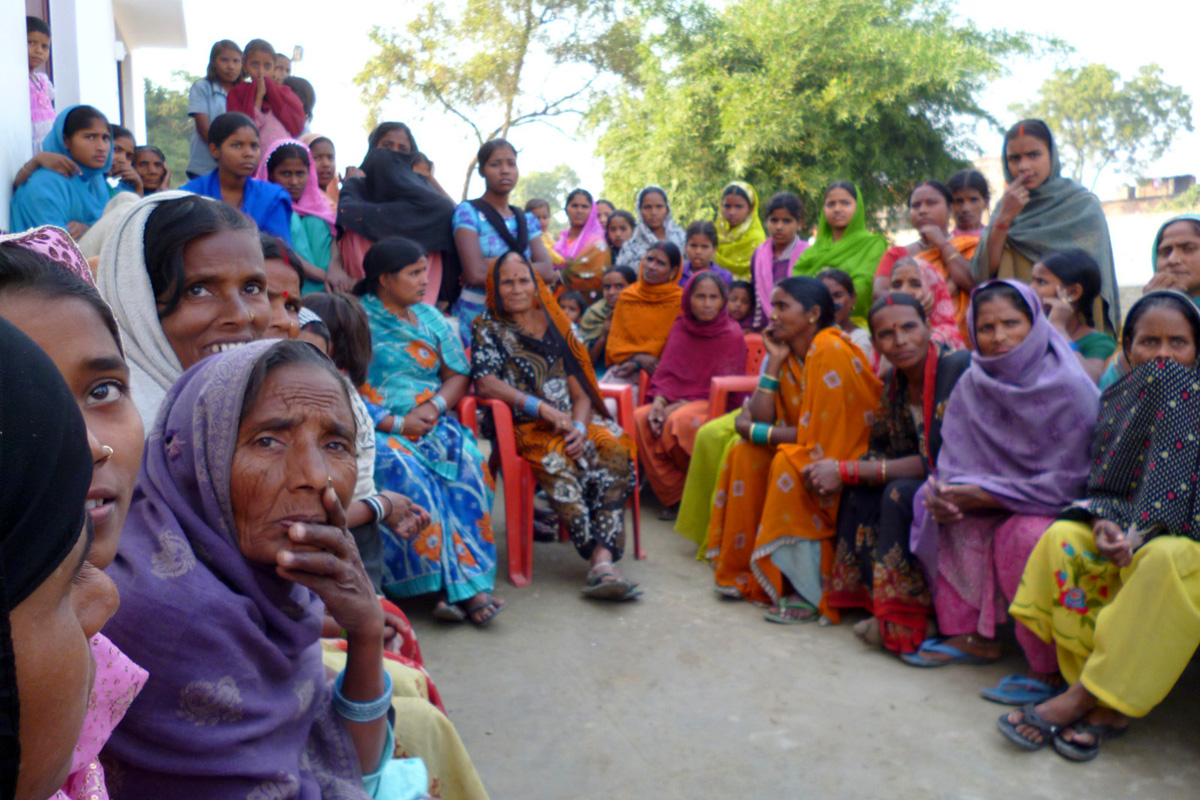
To sum up, this was a remarkable experience for all those involved, and we expect to see marked improvements in the months to come for the lives touched by our work.
Right now, we're discussing and debating where we will continue to focus our efforts in India. We have promised followup visits in Saraiya, and are also looking for reputable healthcare workers and doctors to go to the village over the course of the next year. We know that our work must continue for now in Uttar Pradesh, but we are looking into areas around Lucknow and talking about southern India for the future.
We hope that after our success in Saraiya, we can go on to bring the same education programs in the neighboring villages, spreading the ripples and saving lives. When necessary, we want to help build toilet facilities to reach the goal of stopping open defecation. The goal is giving more people in rural Uttar Pradesh access to clean toilets and water. After U-P the rest of rural India awaits. After +1ndia, the rest of the world.

 Follow @plus1ndia on Twitter